
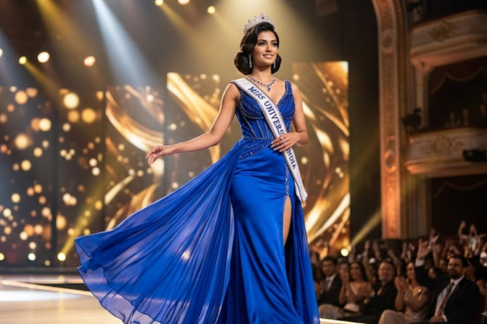
A pageant dress is not just an outfit; it is a performance tool that directly influences stage presence, confidence, and overall impression. The right dress helps a contestant communicate personality, elegance, and professionalism without saying a word. Judges often evaluate how well a contestant carries herself in motion, and the dress becomes part of that storytelling.
When chosen thoughtfully, it enhances posture, improves movement, and creates visual harmony under stage lighting. A poorly chosen dress, however, can distract from performance and reduce impact even if the contestant is otherwise strong.
Choosing a Silhouette That Supports Movement and Confidence
The silhouette is one of the most important factors in beauty pageant dress selection. It should complement the body shape while allowing fluid movement across the stage. Popular options like A-line gowns, mermaid cuts, and column silhouettes each create different visual effects. A-line dresses are often the most forgiving and graceful, allowing ease of walking and turning.
Mermaid styles emphasize curves and create a dramatic stage presence but require strong posture and controlled movement. The key is selecting a silhouette that feels natural rather than restrictive, because comfort directly influences confidence during performance.
Selecting the Right Fabric for Stage Impact
Fabric choice plays a crucial role in how a dress appears under pageant lighting. Lightweight materials such as chiffon and organza create soft movement and elegance, while satin and silk reflect light for a more luxurious shine. Heavier fabrics like velvet can add richness but may limit mobility if not structured properly.
The ideal fabric should enhance motion rather than restrict it. Dresses with layered fabrics often perform well on stage because they create depth and dimension when the contestant walks or turns. The way fabric flows can significantly elevate overall presentation.
Understanding Color Psychology on Stage
Color selection in a pageant dress is closely tied to emotional impact and visibility. Bright jewel tones like royal blue, emerald green, and ruby red often stand out under stage lights and photograph beautifully. Softer shades like blush pink, champagne, or lavender can create a graceful and approachable impression.
Bold colors communicate confidence and power, while lighter tones suggest elegance and softness. It is also important to consider skin tone and how the color interacts with lighting conditions. A well-chosen color ensures the contestant remains the focal point rather than being overshadowed by the dress.
Prioritizing Fit and Tailoring for a Polished Look
Even the most expensive dress can lose its impact if it does not fit properly. Pageant dresses should be tailored to perfection, hugging the body in all the right places while allowing comfortable movement. A well-fitted bodice provides support and improves posture, which is essential during long stage appearances.
Hem length is equally important, as it affects walking rhythm and balance. Custom tailoring ensures that the dress enhances natural proportions rather than distorting them. Small adjustments can dramatically improve how confident and composed a contestant appears on stage.
Incorporating Design Details Without Overwhelming the Look
Design elements such as sequins, beadwork, embroidery, and cutouts can elevate a pageant dress when used strategically. However, excessive detailing can become distracting and take attention away from the contestant’s presence. The goal is to strike a balance between visual interest and elegance.
Sparkle should highlight movement rather than dominate it. Strategic embellishments around the waist, neckline, or hem can guide the viewer’s eye and enhance body lines. Simplicity with intentional detailing often creates the strongest stage impact.
Ensuring Comfort to Improve Stage Performance
Comfort is often overlooked but is essential for a strong pageant performance. A contestant who feels physically restricted will struggle with posture, facial expression, and movement. The dress should allow easy walking, turning, and posing without constant adjustment.
Inner lining, secure closures, and supportive structure contribute to overall comfort. Shoes and dress length should also be coordinated to avoid tripping or imbalance. When a contestant feels comfortable, she naturally projects more confidence and authenticity, which resonates strongly with judges.
Matching Dress Style with Pageant Theme and Personality
Every pageant has its own tone, whether it is traditional, modern, cultural, or advocacy-focused. The dress should align with the event’s theme while still reflecting the contestant’s individuality. A mismatched outfit can create visual disconnection even if the dress is beautiful on its own.
Personality also matters, as judges look for authenticity. A contestant should feel that the dress represents her identity rather than masking it. When style and personality align, the performance feels more natural and memorable.
Enhancing Stage Presence Through Final Presentation Details
Final presentation elements such as accessories, hair, makeup, and posture all interact with the dress to complete the overall look. Accessories should complement rather than compete with the gown. Hair and makeup should enhance facial features under bright lighting and camera flashes. Most importantly, posture and walking technique bring the dress to life on stage.
A well-chosen dress becomes truly powerful only when paired with confident movement and expressive presence. Every step should reinforce elegance, control, and intention.
Conclusion: Choosing a Dress That Elevates the Entire Performance
Selecting a beauty pageant dress is a strategic decision that goes far beyond aesthetics. It requires balancing silhouette, fabric, color, fit, and comfort while ensuring alignment with personality and stage requirements. The best dress is one that supports movement, enhances confidence, and amplifies presence rather than overshadowing it.
When all elements come together harmoniously, the dress becomes an extension of the contestant herself, transforming her performance into a compelling and unforgettable stage moment.