
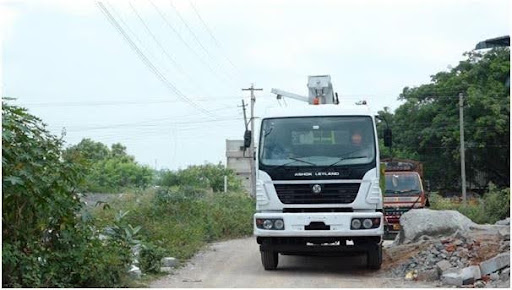
Buying a rig is a major equipment decision, and choosing based only on price or size can create expensive problems later. Whether you plan to buy mining rig equipment or need machinery for water well, construction, or exploration work, the right choice depends on how closely the rig matches your project. Compare these ten factors before making a purchase.
1. Application and Project Type
First, identify what the rig will actually be used for. Mining, water well, geotechnical, and construction drilling involve different depths, materials, hole sizes, and drilling methods. A machine designed for one application may not perform efficiently in another.
2. Depth and Hole Diameter
Check the required drilling depth and hole diameter against the machine’s rated capabilities. Avoid choosing a rig based solely on its maximum advertised capacity. The equipment should comfortably handle your normal project requirements without excessive strain.
3. Ground Conditions
Soil and rock conditions strongly influence rig selection. Soft soil, hard rock, and mixed formations may require different drilling systems, such as rotary or DTH drilling. Understanding the site’s geology helps prevent performance problems after purchase.
4. Mobility and Mounting
Consider how easily the rig must move between locations. Truck-mounted models suit accessible sites, while crawler-mounted equipment can handle rougher terrain. Skid and trailer-mounted options may work better where portability and operating costs are priorities.
5. Power and Engine Capacity
Engine output affects drilling performance, particularly in hard formations and deeper applications. Compare power specifications with your expected workload to ensure the rig can operate consistently without being pushed beyond its practical limits.
6. New, Refurbished, or Custom-Built
A new rig is not always the only option. Refurbished equipment can reduce the initial investment for suitable projects, while custom-built rigs may make more sense for specialized or demanding applications. Consider usage, budget, maintenance, and expected service life together.
7. Parts and Accessories
Before purchasing, check the availability of essential components such as drill bits, hammers, pumps, and replacement parts. Easy access to compatible components can reduce repair delays and keep projects moving when maintenance is required.
8. Manufacturer Experience
Research the manufacturer’s experience, production standards, and equipment history. A company with established manufacturing capabilities and field-tested designs may provide useful technical knowledge when selecting equipment for particular drilling conditions.
9. After-Sales Support
Technical assistance does not become less important after the purchase. Check service coverage, spare-parts support, maintenance assistance, and response times in your operating region. Strong support can help reduce downtime when equipment problems occur.
10. Total Cost of Ownership
Look beyond the purchase price. Fuel consumption, maintenance, replacement parts, operating efficiency, and expected lifespan all contribute to the actual cost of owning a rig. A lower-priced machine may not remain economical if it requires frequent repairs or consumes significantly more fuel.
Conclusion
Selecting the right rig requires more than comparing specifications or finding the lowest price. Project application, drilling depth, ground conditions, mobility, power, support, and long-term operating costs should all influence the decision. Comparing these factors systematically can help you choose drilling rigs that are better suited to the work and practical over the long term.
Prime Rigs manufactures and exports water well, mining, and construction drilling rigs across Africa, with equipment designed for varied operating conditions. Its experience and after-sales support help operators identify equipment suited to their specific project requirements.