
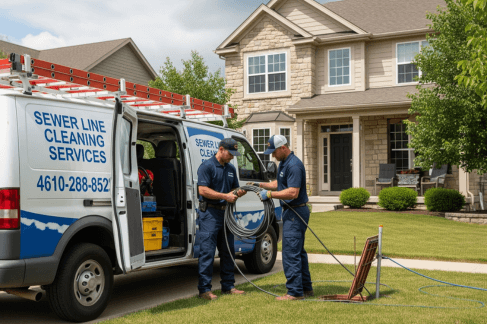
A properly functioning sewer line is essential for every home and business. It quietly carries away wastewater, keeping your space hygienic and comfortable. However, when you ignore regular maintenance, small issues can quickly turn into expensive disasters. Delaying sewer line cleaning may seem like saving money in the short term, but it often results in higher costs, health risks, and property damage in the long run.
Below, we’ll explore why timely sewer cleaning is crucial, what happens when you delay it, and how preventive maintenance can save you thousands of dollars.
Importance of Sewer Line Cleaning
Your sewer line is the underground pipe that connects your home’s plumbing system to the city’s main sewer system. Over time, this line can become clogged with:
- Grease and oil buildup
- Food waste
- Soap scum
- Hair and debris
- Tree roots infiltrating through tiny cracks
- Mineral and scale deposits
When these blockages accumulate, the flow of wastewater slows down. Without timely cleaning, the pressure inside the pipe increases, leading to leaks, backups, or even complete pipe collapse. Regular professional sewer line cleaning services keep the line clear and extend the lifespan of your plumbing system.
1. Clogged Drains Can Turn into Costly Repairs
One of the earliest signs of a dirty sewer line is a slow or gurgling drain. While you might ignore it or use a temporary chemical cleaner, that’s only a short-term fix. Over time, the buildup grows thicker and harder to remove.
If left unchecked, this can cause:
- Complete blockages that prevent wastewater from draining at all.
- Burst or cracked pipes due to pressure buildup.
- Extensive excavation and replacement costs for damaged sections.
Cleaning your sewer line early might cost a few hundred dollars, but waiting until it bursts could cost thousands. Repairs often involve digging up your yard, replacing sections of pipe, and restoring landscaping or flooring—all of which add up quickly.
2. Sewage Backups Pose Health and Safety Risks
When wastewater has nowhere to go, it comes back up—often through floor drains, sinks, or toilets. This creates an unsanitary situation that exposes your family to bacteria, viruses, and foul odors. Common health hazards include:
- E. coli and Salmonella contamination
- Mold and mildew growth
- Respiratory issues caused by toxic fumes
Cleaning and disinfecting after a sewage backup is not only unpleasant but also expensive. Professional cleanup services can cost thousands of dollars, and replacing carpets, drywall, and furniture adds even more to the total. Preventive cleaning eliminates these risks before they escalate.
3. Hidden Leaks Can Damage Your Property
Delaying sewer cleaning can lead to blockages that increase pressure within your pipes. Over time, this can cause small leaks underground or within walls and floors. Since these leaks are hidden, they often go unnoticed until the damage is extensive.
Potential consequences include:
- Foundation damage from water seepage.
- Mold growth behind walls or under floors.
- Structural weakening of beams or concrete.
Repairing structural water damage is far more expensive than routine sewer maintenance. In severe cases, homeowners may even face insurance claim denials if the damage is traced back to neglect.
4. Tree Roots Can Cause Irreversible Damage
Tree roots naturally seek moisture, and your sewer line is an attractive source. Even a small crack in the pipe can allow roots to enter and grow inside, eventually blocking the entire line.
If you delay cleaning, root growth can:
- Crack or break the pipe completely.
- Cause misalignment of joints.
- Require full pipe replacement rather than simple cleaning.
Professional hydro jetting or mechanical root cutting can prevent these costly issues if performed early. But once the pipe collapses due to extensive root damage, excavation becomes unavoidable.
5. Increased Water Bills and Inefficiency
When blockages and leaks occur, your plumbing system must work harder to push wastewater through the pipes. This often leads to higher water usage and energy costs.
You might notice:
- Constantly running toilets
- Slow-draining sinks
- Frequent gurgling sounds in drains
- Fluctuating water pressure
Regular cleaning ensures smooth flow and efficiency, keeping your utility bills lower. Ignoring these signs might not only waste water but also shorten the lifespan of your plumbing fixtures.
6. Emergency Services Are Always More Expensive
If you delay sewer line maintenance, you may eventually face a sudden blockage or backup that requires emergency plumbing services. Emergency calls, especially on weekends or nights, are significantly more expensive than scheduled maintenance.
Moreover, emergency repairs are done under pressure, which may lead to temporary fixes instead of long-term solutions. By scheduling regular cleaning, you avoid unexpected breakdowns and expensive after-hours fees.
7. Prevention Is Always Cheaper than Repair
Think of sewer line cleaning as routine care for your home—similar to changing your car’s oil. A small investment in maintenance helps prevent major breakdowns.
Preventive maintenance benefits include:
- Extended lifespan of your sewer system
- Lower risk of backups and leaks
- Reduced long-term repair and replacement costs
- Peace of mind knowing your home is safe and hygienic
Professional plumbers often recommend cleaning your sewer line every 18–24 months, depending on your home’s size, usage, and age of the plumbing system.
Conclusion: Don’t Wait for a Disaster to Act
Delaying sewer line cleaning is like ignoring a warning light on your car dashboard—it might seem fine for now, but trouble is on the way. A small clog today can become a major repair tomorrow.
Regular cleaning not only protects your property and health but also saves you from expensive emergencies and replacements. By investing in preventive maintenance, you ensure your sewer system runs smoothly for years to come—keeping your home safe, clean, and worry-free.
In short: Cleaning your sewer line on time doesn’t just save money—it protects your peace of mind.
For More Info Visit:- articlesjam.com