
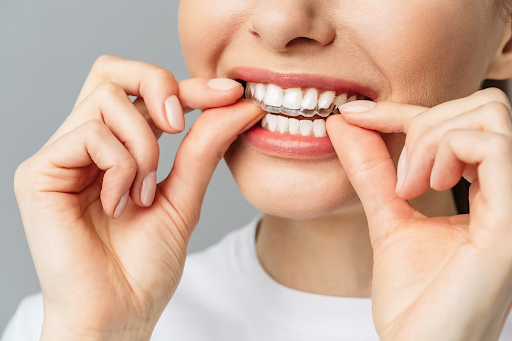
Modern orthodontic care offers several options for improving tooth alignment while considering appearance, comfort, lifestyle, and long-term oral health. Clear aligners have become a popular choice for people seeking a more discreet alternative to traditional braces. They are designed to fit over the teeth and gradually guide them toward planned positions according to an orthodontic treatment plan.
For patients exploring clear aligners on teeth, these transparent, removable trays can be integrated into everyday routines, including work, school, social activities, and travel. Their removable design allows patients to take them out during meals and oral hygiene routines, while their discreet appearance can make treatment less noticeable. Treatment suitability varies between individuals, so an orthodontic assessment can help determine whether clear aligners are appropriate for specific alignment needs.
Modern Orthodontic Care Supporting Discreet Smile Goals
Clear aligner treatment combines personalized planning, removable appliances, and regular professional monitoring to support gradual and controlled tooth movement.
1. Understanding The Role Of Clear Aligners
Clear aligners are transparent trays custom-designed to fit over the teeth and gradually guide them toward improved alignment. Unlike fixed braces, they do not rely on traditional brackets and wires. Patients generally move through a series of trays, with each stage designed to make incremental adjustments. Their discreet appearance makes them appealing to adults and younger patients who want orthodontic correction without making their treatment highly noticeable. However, suitability depends on individual dental needs and the complexity of the alignment concern.
2. Supporting A More Discreet Treatment Experience
One of the main attractions of clear aligner treatment is its subtle appearance. Transparent trays fit closely over the teeth, making them considerably less noticeable during everyday interactions. This can be useful for students, professionals, and individuals who regularly attend meetings or social events. Instead of drawing attention to orthodontic appliances, clear aligners allow patients to continue their normal activities with minimal visual disruption. The discreet design can therefore support patients’ confidence as they work toward their desired smile.
3. Making Daily Oral Hygiene More Convenient
Removable aligners can make certain aspects of daily oral hygiene more straightforward. Patients can remove the trays before brushing and flossing, allowing them to maintain their usual cleaning routine without having to navigate around brackets and wires. Aligners should also be cleaned according to professional instructions to maintain freshness and clarity. Good oral hygiene remains important throughout orthodontic treatment because food particles and plaque can affect dental health. Consistent cleaning habits can therefore complement the overall treatment process.
4. Accommodating Everyday Eating Habits
The removable nature of aligners provides greater flexibility during meals compared with fixed orthodontic appliances. Patients can remove their trays before eating and drinking, allowing them to continue enjoying a broader range of foods. After meals, brushing or rinsing before replacing the aligners helps keep them clean. This flexibility can make treatment easier to manage within different lifestyles. Nevertheless, patients need to follow their orthodontist’s instructions regarding wearing schedules to ensure that the planned treatment progresses effectively.
Personalized Planning Shapes Better Aligner Treatment
Treatment planning considers dental alignment, bite relationships, lifestyle requirements, and expected tooth movement before an aligner series is prepared.
When considering clear aligners on teeth, professional assessment remains an important starting point. Not every alignment concern can be addressed in exactly the same way, and treatment suitability depends on factors such as crowding, spacing, bite relationships, and overall complexity. A structured consultation can help determine whether aligners are appropriate or whether another orthodontic option may provide better control. Digital scans and treatment planning can also help map anticipated tooth movement and create a more personalized sequence of aligners.
Treatment Planning Supports Consistent Aligner Progress
A structured treatment plan connects professional assessment, digital planning, progress monitoring, and retention to support a more organised orthodontic experience.
1. Assessing Individual Alignment Concerns
Every patient’s teeth have different positioning, spacing, and bite characteristics. An orthodontic assessment helps identify the specific concerns that need to be corrected before treatment begins. Common issues may include crowding, spacing, overbite, underbite, crossbite, or other alignment irregularities. Understanding the extent of these concerns allows the orthodontist to determine whether clear aligners are suitable. This personalized assessment also helps establish realistic expectations rather than relying on a standard treatment approach for every patient.
2. Using Digital Treatment Planning
Modern orthodontic planning can involve detailed digital scans that create a three-dimensional representation of the patient’s teeth. These images can help orthodontists evaluate alignment and plan the sequence of movements required throughout treatment. Digital planning also allows patients to better understand the proposed process before receiving their aligners. By combining clinical assessment with digital information, orthodontic professionals can create treatment plans that more closely match individual dental structures and treatment objectives.
3. Monitoring Progress Throughout Treatment
Clear aligner treatment requires ongoing professional supervision. Follow-up appointments allow the orthodontist to check whether teeth are moving according to the planned sequence and identify any issues that may require attention. Patients may occasionally need adjustments to their treatment plan if tooth movement differs from expectations. Regular monitoring, therefore, helps maintain the treatment direction and provides opportunities to address concerns early. Professional guidance is particularly important because aligners are removable and depend on consistent patient participation.
4. Maintaining Results After Treatment
Completing the active aligner stage does not necessarily mean orthodontic care is finished. Teeth can gradually shift after treatment, which is why retention is an important part of maintaining alignment. Retainers are commonly provided after active orthodontic correction to help teeth remain in their intended positions. Patients should follow professional instructions regarding retainer use and attend recommended follow-up appointments. Long-term consistency with retention can help preserve the results achieved during the active treatment phase.
Conclusion
Selecting an orthodontic provider involves considering professional expertise, personalized planning, treatment suitability, follow-up care, and long-term support.
For patients considering clear aligners in Singapore, choosing a specialist-led treatment approach can help ensure that alignment concerns are properly assessed before treatment begins. BRACESAURUS provides orthodontic care focused on braces and aligner solutions, with treatment planning tailored to individual dental needs. Their approach can help patients understand their available options and receive professional guidance throughout their smile transformation. With personalized orthodontic planning and attention to patients’ needs, BRACESAURUS supports individuals seeking a discreet, structured approach to improving their smile.