
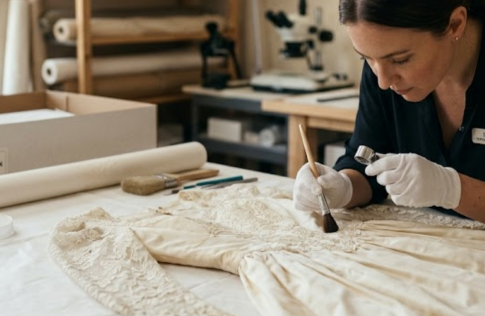
Your wedding dress is one of the most meaningful garments you will ever own, but it is also one of the most delicate. Even after a single wear, the fabric begins to interact with invisible elements like body oils, perfume, sweat, and environmental exposure. Over time, these hidden factors can slowly damage the gown, even if it looks clean at first.
Professional wedding dress preservation is not just about storage—it is about protecting the fabric, structure, and emotional value of the dress for years or even generations. The challenge is that many signs of damage are subtle in the beginning. Knowing when your dress needs professional attention can make the difference between long-term preservation and irreversible deterioration.
Recognizing the top signs your wedding dress needs professional preservation early helps ensure your gown remains in the best possible condition for the future.
Visible Yellowing or Discoloration
One of the earliest and most common warning signs is yellowing or discoloration. Wedding dresses are often white, ivory, or cream, which makes any color change immediately noticeable. Over time, oxidation naturally occurs in fabrics like silk and satin, causing them to develop a yellow or dull tone.
This process can be accelerated by exposure to light, heat, humidity, or improper storage materials. Even if the dress was cleaned after the wedding, oxidation can continue quietly for years. If you notice patches of yellowing, especially along seams or folds, it is a clear indication that professional preservation is needed.
Hidden Stains Becoming Visible Over Time
Another major sign is the appearance of stains that were not visible immediately after the wedding. These are often caused by invisible residues such as sweat, body oils, perfume, deodorant, makeup, or spilled drinks. At first, they may seem harmless, but over time they oxidize and turn into yellow, brown, or gray marks.
These delayed stains are particularly dangerous because they often spread slowly and deepen in color. Home cleaning methods are usually ineffective at this stage and can sometimes make the stains worse.
While some people try using a wedding dress preservation kit at home for basic cleaning and storage, these kits are generally not designed to treat deeply set or oxidized stains effectively. Professional preservation experts use specialized techniques to safely treat these aged stains without damaging delicate fabrics.
Fabric Feels Weak, Brittle, or Different in Texture
If your wedding dress no longer feels the same as it did originally, it may be experiencing fabric degradation. Delicate materials like lace, silk, and chiffon can become fragile over time, especially if exposed to humidity or improper storage conditions.
You might notice that the fabric feels stiff, overly soft in certain areas, or prone to slight tearing when handled. This change in texture is a warning sign that the fibers are weakening. Professional preservation helps stabilize these fibers and prevent further breakdown before permanent damage occurs.
Improper Storage Conditions Over Time
Storage plays a critical role in the long-term condition of a wedding dress. If your gown has been kept in a plastic garment bag, attic, basement, or any environment without temperature control, it is likely at risk.
Plastic coverings can trap moisture, leading to yellowing or even mold growth. Heat and humidity accelerate fiber deterioration, while sunlight can fade delicate embroidery and weaken fabric strength. If your dress has been stored in uncertain conditions, it should be professionally evaluated even if no visible damage is present yet.
Mold, Mildew, or Musty Odor Presence
A musty smell or visible mold spots are serious indicators that immediate preservation is required. Mold typically develops in damp or poorly ventilated storage environments and can spread quickly across fabric surfaces.
You may notice small black, green, or brown spots on the dress, along with a persistent damp odor. Mold not only stains the fabric but can also weaken it permanently if left untreated. Professional preservation services use controlled cleaning methods and antimicrobial treatments to safely remove mold while protecting delicate fibers.
Damage to Embellishments or Structural Details
Wedding dresses often include intricate details like beadwork, embroidery, sequins, and lace appliqués. These elements are especially vulnerable to aging and poor storage conditions. Over time, beads may loosen, threads may fray, and seams may weaken.
Even minor damage to these details can affect the overall structure and beauty of the dress. If you notice missing embellishments or loose stitching, it is a strong sign that preservation is needed. Professionals can carefully repair and stabilize these elements to prevent further deterioration.
Uneven Discoloration in Folded or Hidden Areas
Some of the most serious damage often appears in areas that are not immediately visible. The underside of the hem, inner lining, underarms, and folded sections of the skirt are common spots where discoloration begins.
These areas trap sweat, oils, and moisture longer than exposed fabric, making them more prone to yellowing. If you unfold your dress and notice uneven tones or hidden stains, it indicates early-stage deterioration that requires professional intervention.
Loss of Shape or Permanent Wrinkling
A properly stored wedding dress should maintain its original shape. If your gown appears permanently wrinkled, sagging, or unable to regain its structure even after steaming, it may be suffering from fiber fatigue or long-term compression damage.
Structured bodices and layered skirts are especially vulnerable when stored improperly. Once the fabric loses its natural resilience, it becomes difficult to restore without professional preservation techniques that focus on reshaping and stabilizing the garment.
Conclusion
A wedding dress is more than just a garment—it is a preserved memory of one of life’s most meaningful moments. Signs like yellowing, hidden stains, fabric weakening, mold growth, and structural damage should never be ignored.
Recognizing the top signs your wedding dress needs professional preservation allows you to take timely action and protect your gown before the damage becomes permanent. Professional wedding dress preservation ensures that your wedding dress remains beautiful, stable, and cherished for years to come, ready to be passed down as a lasting heirloom.