
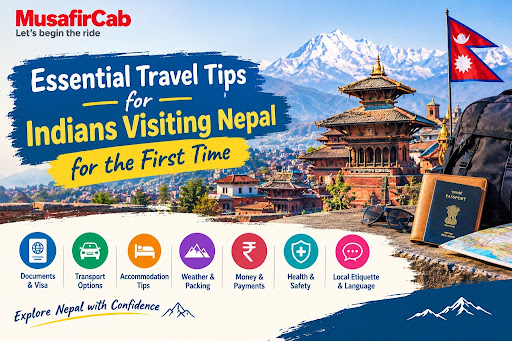
Travelling to a new country becomes easier when you understand its routes, local customs, transport options and travel requirements before leaving home. Nepal is a popular destination for Indian travellers because it offers a mix of spiritual landmarks, Himalayan scenery, peaceful lakes, cultural experiences and historic cities. From the sacred temples of Kathmandu to the mountain views of Pokhara and the birthplace of Lord Buddha in Lumbini, the country has something for different types of travellers. Those planning a road holiday can explore a Nepal tour package from Ayodhya to compare travel options and plan their itinerary.
Although Nepal shares an open border with India, a successful trip still requires thoughtful planning. First-time visitors should consider their travel documents, transportation, accommodation, budget, weather and itinerary before starting their journey. A little preparation can help avoid unnecessary delays and leave more time to enjoy the destination.
Here are some practical travel tips for Indians planning their first visit to Nepal.
1. Check Travel Document Requirements Before Departure
One of the first things to arrange is your travel documentation. Indian citizens generally do not need a visa to visit Nepal, but travellers should carry appropriate identification and verify the latest entry requirements before departure.
Do not assume that every Indian identity card is accepted for every type of travel. Aadhaar and PAN cards should not be treated as guaranteed Nepal entry documents. Check the current guidance issued by the relevant Indian and Nepalese authorities, particularly if you are travelling by air or with children.
If you are travelling with family, confirm the documentation requirements for every passenger. Keep physical copies of important documents and store digital copies securely as a backup.
Travellers using their own vehicles should also check the requirements for vehicle registration, driving licences, insurance and the necessary permits for taking an Indian vehicle into Nepal. Preparing these documents in advance can make border formalities easier.
2. Choose a Route That Matches Your Travel Plans
The route you choose can influence the total journey time, transportation cost and destinations you can comfortably visit. Travellers from Uttar Pradesh and nearby regions may consider road routes through established border crossings, depending on their starting city and final destination.
For example, travellers departing from Ayodhya can plan a journey towards Nepal with destinations such as Lumbini, Pokhara and Kathmandu. However, the best route depends on the available transport, border crossing, road conditions and sightseeing schedule.
Before booking, consider the following:
- Starting point: Check the road distance and estimated travel time from your city.
- Border crossing: Confirm the appropriate crossing and its current operating arrangements.
- Road conditions: Allow extra time for traffic, construction and delays.
- Destination sequence: Arrange cities in a practical order to reduce unnecessary backtracking.
- Return journey: Keep sufficient time for the return trip instead of planning every day too tightly.
A realistic route is more useful than an itinerary that includes many destinations but leaves little time to enjoy them.
3. Decide Between Public Transport and Private Travel
Nepal can be explored using buses, local taxis, tourist vehicles and private cabs. The best option depends on your budget, group size, comfort preferences and travel schedule.
Public transport may suit solo travellers and visitors who have flexible schedules. However, reaching several sightseeing locations can require additional transfers and local transport arrangements.
Private transportation can be convenient for families, couples and groups visiting multiple destinations. It offers greater flexibility for sightseeing stops, luggage management and changes to the daily schedule. Travellers can compare options such as a private car, SUV or larger group vehicle according to their requirements.
When comparing a tour package, check what the quoted price actually includes. Ask whether the vehicle is provided for the entire itinerary or only for selected transfers. Also clarify fuel, parking, driver charges, sightseeing transfers and any additional costs.
The lowest advertised price is not necessarily the best value if essential services are excluded.
4. Plan Your Budget Beyond the Tour Price
A travel budget should cover more than accommodation and transportation. The total cost of a Nepal trip may vary according to the season, hotel category, number of travellers, destinations and optional activities.
Before departure, prepare a simple estimate covering:
- Transportation to and within Nepal
- Hotel accommodation
- Meals and refreshments
- Sightseeing transfers and entry tickets
- Local transport and parking
- Shopping and personal expenses
- Optional activities and emergency funds
For instance, boating on Phewa Lake in Pokhara, cable car rides and certain adventure activities may involve separate charges. Do not assume these are included in a tour package unless the inclusions clearly confirm them.
If you are travelling with children or older family members, allow some flexibility in the budget for convenient transport, suitable accommodation and additional rest stops.
Request a written breakdown of the package cost before paying an advance. It should explain the room arrangements, meal plan, transport services, exclusions, payment schedule and cancellation conditions.
5. Select the Best Season for Your Destinations
Nepal offers different experiences throughout the year, so the right travel period depends on what you want to see.
Spring, from March to May, is generally popular for pleasant sightseeing conditions and mountain views when the weather is clear. It can be a good period for exploring cities, lakes and selected outdoor attractions.
Autumn, from September to November, is another popular travel season. Many visitors choose this period for clearer mountain views and sightseeing, although demand for hotels and transport can be higher.
Winter, from December to February, can suit travellers visiting Kathmandu, Lumbini and other lower-altitude destinations. Temperatures can be much colder in mountain areas, so warm clothing is essential.
The monsoon season, from June to September, brings rainfall that may affect road journeys, visibility and outdoor activities. Landslides and road disruptions are possible in some areas.
These are general seasonal patterns rather than guarantees. Check the forecast for your actual travel dates and keep your itinerary flexible, particularly when travelling through hilly regions.
6. Allow Enough Time for Each Destination
First-time visitors sometimes try to cover too many places in a short holiday. This can result in long driving hours and rushed sightseeing.
Instead, select destinations based on your interests and the time available.
Kathmandu: Heritage and Spiritual Experiences
Kathmandu is known for its temples, stupas, historic sites and traditional neighbourhoods. Pashupatinath Temple, Boudhanath Stupa and Swayambhunath are well-known places to consider. Visitors should allow time for traffic, walking and the opening hours of individual attractions.
Pokhara: Lakes and Mountain Scenery
Pokhara is popular for Phewa Lake, mountain views, viewpoints and a relaxed atmosphere. Travellers can enjoy lakeside walks, visit selected attractions and explore local cafés. Weather conditions affect mountain visibility, so avoid making the entire experience dependent on a single viewpoint.
Lumbini: A Place of Spiritual Significance
Lumbini is internationally recognised as the birthplace of Gautama Buddha. The Maya Devi Temple and the surrounding monastic area attract visitors interested in Buddhist heritage and peaceful surroundings. Set aside enough time to explore rather than treating Lumbini as only a brief stop between cities.
Choose your destinations first, then decide how many nights are needed. Travel time between cities should be considered separately from sightseeing time.
7. Book Accommodation According to Your Needs
A hotel that looks suitable online may not always be convenient for your itinerary. Location, room size, cleanliness, accessibility and transport arrangements are all important.
Families may prefer hotels with larger rooms and easy access to restaurants. Couples might prioritise location and privacy, while senior travellers may benefit from properties with lifts or fewer stairs.
Before confirming a booking, check:
- Whether the room is air-conditioned or heated, as required
- Whether breakfast or other meals are included
- The distance from major sightseeing areas
- Check-in and check-out timings
- Extra-bed and child policies
- Parking availability, if travelling by private vehicle
- Cancellation and refund conditions
Read recent reviews, but also verify the exact room category and facilities included in your reservation. During popular travel periods, advance booking can provide more choice.
8. Understand Local Currency and Payment Options
Nepal uses the Nepalese rupee (NPR). Although Indian rupees are commonly encountered in some tourist areas, travellers should not assume that every denomination or payment method will be accepted everywhere.
Check the latest rules concerning Indian currency notes and any applicable restrictions before travelling. Carry suitable payment options, including permitted cash denominations and a bank card where practical.
Currency exchange facilities and ATM availability can vary by location. Major tourist centres generally offer more options than remote areas, so plan ahead if your itinerary includes smaller towns.
Keep cash securely divided rather than carrying your entire travel budget in one wallet. Also, ask about payment methods before using local transport, visiting smaller businesses or booking optional activities.
9. Respect Local Customs and Travel Responsibly
Nepal has diverse cultural, religious and linguistic traditions. Visitors can make their trip more rewarding by showing respect for local practices.
Remove footwear where requested at religious sites, dress appropriately at temples and monasteries, and ask permission before photographing people or ceremonies. Follow any signs restricting photography or access to sacred areas.
When visiting crowded attractions, keep personal belongings secure and remain aware of your surroundings. Use recognised transport providers and agree on fares or confirm the meter arrangement before beginning a taxi journey.
Responsible travel also includes avoiding litter, respecting wildlife and following local guidance at natural attractions. Simple actions can help preserve the places that make Nepal appealing to future visitors.
10. Prepare for Weather, Connectivity and Unexpected Delays
Even a well-planned itinerary can be affected by traffic, rainfall or changes in local conditions. Carry comfortable walking shoes, weather-appropriate clothing, personal medicines and basic first-aid supplies.
Mobile connectivity and data arrangements may differ from those in India. Check international roaming charges or available local SIM options before departure, and confirm the current requirements for obtaining a SIM card.
Download offline maps, save hotel addresses and keep booking confirmations accessible. Share your itinerary with a family member, especially if you will be travelling through remote areas.
Travellers should also review their travel insurance options and check whether the policy covers their planned activities. Adventure sports and high-altitude activities may require specific coverage.
If travelling during the monsoon or winter, allow extra time between destinations rather than scheduling tight connections.
Conclusion
A first trip to Nepal starts with proper planning, suitable transport, and a realistic budget. Indian travellers should check their travel documents, choose destinations according to their schedule, and consider weather conditions and accommodation before departure. Exploring local culture, historic temples, scenic lakes, and spiritual sites can make the journey even more rewarding. Travellers planning a road journey from Bihar can explore a Raxaul to Nepal tour package to compare itineraries, travel arrangements, and package inclusions before making a booking decision. With a well-planned itinerary, you can enjoy Nepal’s natural beauty and cultural attractions at a comfortable pace.