
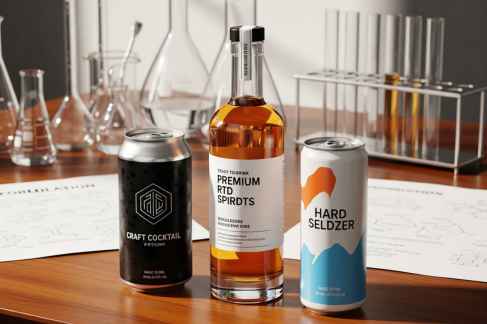
The ready-to-drink market has exploded in the past decade, with consumers increasingly seeking convenient, premium options that don’t require mixing or preparation. Whether you’re a startup entrepreneur or an established beverage brand looking to expand your portfolio, launching an RTD alcoholic beverage requires careful planning and strategic foresight. Before diving into product development, here are the critical factors every brand should consider.
Market Research and Consumer Trends
Understanding your target market is the foundation of any successful RTD product launch. The ready-to-drink alcoholic beverage market continues to grow, driven by younger consumers who value convenience and authentic flavors. Analyze current market trends, including the rise of premium hard seltzers, craft cocktails in a can, and functional alcoholic drinks that offer added benefits like probiotics or adaptogens.
Conduct thorough consumer research to identify gaps in the market. Are consumers looking for specific flavor profiles? What price points are they willing to pay? Which distribution channels are they shopping through? These insights will shape your entire product strategy.
Flavor Development and Ingredient Selection
Creating a unique flavor profile is essential for standing out in a crowded marketplace. Your alcoholic beverages development services should focus on crafting flavors that are both innovative and commercially viable. Consider how ingredients will interact over time, particularly in terms of shelf stability.
Work with experienced product developers who understand how alcohol content affects flavor intensity and how different ingredients—from natural extracts to stabilizers—impact the final product. The balance between taste appeal and manufacturing feasibility cannot be overlooked.
Alcohol Base and Proof Considerations
The choice of your alcohol base significantly impacts your product’s flavor, mouthfeel, and shelf life. Will you use fermented alcohol from grains, fruits, or sugar? Should your RTD beverage be 5% ABV (alcohol by volume), or are you targeting a premium 12% ABV segment? Each choice carries implications for production costs and regulatory compliance across different regions.
Higher alcohol content may extend shelf life but could also limit your target audience. Lower ABV products appeal to health-conscious consumers but require more careful preservation strategies. This decision directly influences your formulation approach.
Regulatory Compliance and Labeling Requirements
Before development, understand the regulatory landscape in your intended markets. Alcoholic beverage regulations vary significantly by country and region, affecting everything from ingredient allowances to health claims you can make on your label.
Key considerations include:
- Nutrition labeling requirements and how to present them
- Health claims restrictions for alcohol products
- Packaging regulations and size restrictions
- Age verification requirements for e-commerce sales
- Import/export restrictions if planning international expansion
Work with food regulatory specialists early in the development process to avoid costly reformulations later.
Shelf Life and Stability Testing
RTD beverages face unique stability challenges. Carbonation levels must be maintained, flavors must remain consistent, and microbiological safety must be guaranteed. Before bringing a product to market, you’ll need comprehensive shelf-life testing to determine the product’s expiration date.
Temperature fluctuations during storage and transportation can affect your beverage’s stability. Some ingredients, particularly natural flavoring compounds, may degrade over time. Your development team should conduct accelerated stability studies and real-time aging tests to ensure your product maintains quality throughout its intended shelf life.
Production Scalability and Manufacturing
What works in a small batch doesn’t always scale to commercial production. Consider your intended manufacturing volume and whether your formulation can be efficiently produced at that scale.
Partner with manufacturers experienced in alcoholic beverage production who understand the unique requirements of RTD drinks, including filling, capping, labeling, and quality control processes. Discuss production constraints early to ensure your vision can be executed without compromise.
Packaging and Brand Differentiation
Your package design is more than aesthetics—it’s your primary marketing tool. RTD beverages face fierce competition on retail shelves, so your packaging must communicate your brand story instantly. Consider sustainable options that appeal to environmentally conscious consumers.
The packaging material affects product integrity, shelf appeal, and cost structure. Whether you choose glass, aluminum, or PET plastic, each material has implications for production, shipping, and environmental impact.
Distribution Strategy and Retail Placement
Understanding how your product will reach consumers is crucial before development begins. Will you distribute through traditional retail channels, bars and restaurants, or direct-to-consumer e-commerce platforms? Different distribution channels have varying requirements for minimum order quantities, price points, and product specifications.
Building relationships with distributors before your product is ready can streamline your market entry and increase your chances of securing shelf space.
Cost Analysis and Profitability
Finally, conduct a thorough cost analysis of your proposed formulation. Factor in ingredient costs, packaging, labor, marketing, and distribution expenses. Your RTD beverage must be profitable while remaining competitively priced.
Conclusion
Developing a successful ready-to-drink alcoholic beverage requires balancing innovation with practicality. By addressing these key considerations before launching into full product development, you’ll save time, reduce costly mistakes, and increase your chances of creating a product that resonates with consumers and thrives in the competitive RTD market. Work with experienced consultants who understand the unique challenges of alcoholic beverage production to guide your journey from concept to shelf.