
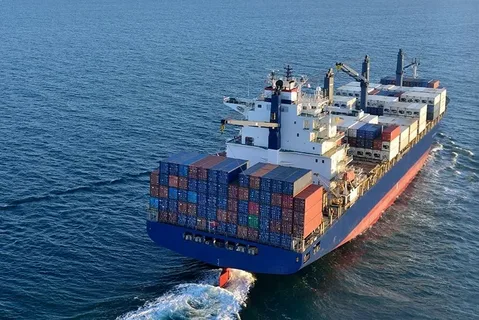
Choosing the right container shipping method can influence transportation costs, cargo handling, and delivery planning. Businesses involved in international trade must understand how shipment volume affects logistics decisions. Selecting between Full Container Load (FCL) and Less than Container Load (LCL) helps importers and exporters organize cargo movement according to their requirements.
Through ocean freight forwarding, businesses can transport goods across international markets using suitable container options. Understanding the differences between FCL and LCL makes it easier to evaluate shipment sizes, budgets, handling requirements, and schedules before arranging international cargo transportation.
Understanding FCL and LCL Shipping
FCL shipping involves reserving an entire container for one shipment, whereas LCL shipping allows businesses to share container space with other shippers. Both options support international ocean transportation, but their suitability depends on shipment volume, budget, and operational priorities.
FCL offers dedicated container space, while LCL helps businesses transport smaller consignments without booking an entire container. Comparing these arrangements allows companies to select a practical option for their import and export activities.
Key Differences Between FCL and LCL Shipping
Businesses should compare several factors before selecting a container shipping method. Cargo volume, transportation expenses, handling requirements, and delivery schedules can influence which option works best for a particular shipment.
1. Container Space and Cargo Volume
FCL suits larger shipments that require substantial container space. LCL works well when cargo quantities are smaller and do not justify booking an entire container. Businesses should assess shipment dimensions, weight, and available space before choosing an option.
2. Shipping Costs and Budget Planning
FCL requires payment for dedicated container space, which may be economical for larger consignments. LCL charges generally depend on cargo volume or weight. Consolidation, handling, documentation, and destination fees can affect the final shipping cost.
3. Cargo Handling and Protection
FCL cargo typically remains in a dedicated container, reducing the need to combine goods with other shipments. LCL requires consolidation and deconsolidation, which involve additional handling. Businesses shipping fragile products should consider suitable packaging and cargo protection requirements.
4. Transit Time and Delivery Planning
FCL may avoid certain consolidation steps associated with LCL shipments. However, delivery schedules depend on shipping routes, port congestion, customs clearance, and carrier availability. Businesses should compare estimated transit times before confirming their shipping arrangements.
5. Flexibility for Business Requirements
FCL suits bulk orders and businesses with consistent shipping volumes. LCL offers flexibility for smaller orders, product samples, and companies entering new markets. During ocean freight forwarding, understanding these requirements helps businesses select suitable transportation arrangements.
Conclusion
FCL and LCL shipping serve different business requirements. Comparing cargo volume, costs, handling needs, and delivery schedules helps importers and exporters make informed decisions. The right choice depends on shipment priorities rather than container size alone.
Among freight carrier companies, AVR Logistics offers sea freight forwarding services covering FCL and LCL shipments. Its broader logistics portfolio includes air, road, and rail transportation, warehousing, customs clearance, distribution, and shipment tracking. These services help businesses coordinate cargo movement and explore logistics solutions suited to their shipping requirements.