
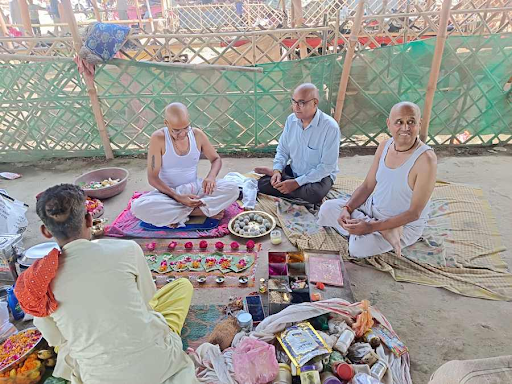
Planning a Hindu ceremony often involves several details: choosing an appropriate ritual, finding a knowledgeable priest, arranging samagri, confirming a date, and coordinating family members. These responsibilities can become difficult when relatives live in different cities or when a ceremony must be organised at short notice. Online puja booking offers a convenient way to begin the process, helping families connect with priests and understand arrangements before the ceremony takes place.
Digital booking does not change the spiritual purpose of a ritual. It provides a practical way to organise the people, materials, location, and timing needed for its performance. The important consideration is to choose a service that respects the family’s tradition and communicates the arrangements clearly.
Why Families Are Choosing Online Pooja Arrangements
Families today may be spread across several cities or countries. A person organising a housewarming ceremony, Satyanarayan Katha, Vastu Shanti, or another religious occasion may not know a local priest who performs the required ritual. Even when a priest is available, coordinating the date, language, samagri, and ceremony details can take time.
Online arrangements make it possible to explore services and communicate requirements before travelling or visiting a local office. Families can review available rituals, understand package details, and request guidance about the process. This can be especially helpful for people who are organising ceremonies from outside their home city.
Begin by Identifying the Right Ritual
Before making a booking, understand which ceremony is appropriate for the occasion. A housewarming puja is different from a naming ceremony, while a Vastu Shanti ritual has a different purpose from a Satyanarayan Katha. Families may also follow regional customs that influence the sequence, language, materials, and mantras used.
Speak with an experienced priest if there is uncertainty. Provide the reason for the ceremony, preferred date, location, family tradition, and any special requirements. This helps the service provider recommend a suitable priest and clarify what the ceremony involves.
What to Check Before Booking a Pandit
A good booking platform should provide meaningful information rather than simply display a list of rituals. Consider the following points:
- Ritual experience: Ask whether the priest has experience performing the specific ceremony.
- Language: Confirm that the priest can conduct the ritual in a language the family understands.
- Tradition: Explain any regional or family-specific customs that should be followed.
- Samagri: Confirm whether ritual materials are included or need to be arranged separately.
- Location and timing: Check availability, travel arrangements, and the expected duration.
- Pricing: Request a clear estimate and understand what is included in the package.
These details reduce uncertainty and help everyone prepare with confidence.
How the Online Booking Process Works
A structured booking process usually begins with selecting the required puja and location. The family then provides details such as the preferred date, contact information, language, and any relevant ceremony requirements.
The service provider checks availability and shares the applicable package or estimate. After the family reviews the details, payment can be completed through the available options. The priest and organisers then coordinate the next steps, including timing, materials, and any instructions for the family.
Pitradev’s published process describes selecting the puja, location, language, and preferred date, reviewing packages, completing payment, and connecting with the assigned priest. It also states that the priest brings the required homa samagri for the services where this arrangement applies.
The Importance of Transparent Pricing
Ceremony costs may vary according to the ritual, number of priests, materials, location, travel, and additional arrangements. A clear estimate should explain the services included and identify any optional additions.
Families should ask whether dakshina, samagri, transport, food arrangements, or other expenses are included. They should also understand the payment schedule and cancellation or rescheduling terms. Transparent communication helps avoid confusion on the day of the ceremony.
Preparing for the Ceremony
Once the booking is confirmed, the family should follow the priest’s instructions. Depending on the ritual, preparations may include cleaning the venue, arranging a suitable place for worship, preparing offerings, and keeping required family details available.
The organiser should confirm the arrival time and contact number for the priest. If relatives are joining remotely, share the schedule in advance. For ceremonies that require a particular muhurat, confirm the timing with the priest rather than relying only on a general online calendar.
Can a Ritual Be Arranged When the Family Cannot Travel?
Some ceremonies can be arranged with a priest performing the ritual at a sacred location or on behalf of family members who cannot attend physically. This may be relevant for ancestral rites, including certain forms of Pind Daan or Asthi Visarjan.
Families considering remote arrangements should understand exactly what will be performed, where it will take place, which details are required, and how confirmation will be provided. Photographs or videos may be available for some services, but the family should confirm this in advance.
Choosing a Trustworthy Service
When comparing pooja pandit services, look for experience, clear communication, relevant ritual knowledge, and transparent pricing. A provider should be willing to answer questions about the ceremony rather than pressure families into a quick decision.
The purpose of online pooja arrangements is to make coordination easier while respecting the religious significance of the occasion. A reliable platform should help families understand the ritual, connect with an appropriate priest, and prepare for the ceremony.
For families exploring online puja booking, the most useful service is one that explains each step clearly. Good pooja pandit services should also make language, samagri, timing, and pricing understandable before confirmation.
Conclusion
Digital convenience can support traditional religious practices when the arrangements are handled with care and respect. Families should identify the correct ritual, confirm the priest’s experience, understand the package, and prepare according to the guidance received. Pitradev connects families with Vedic priests for a range of ceremonies and provides booking support, ritual arrangements, and guidance for services across important pilgrimage locations. With clear communication and thoughtful preparation, online pooja can help families organise meaningful ceremonies even when distance and busy schedules make traditional coordination difficult.