
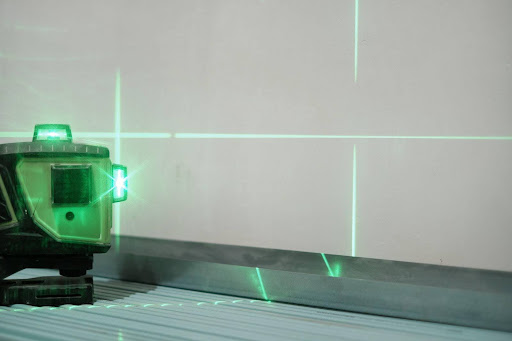
Modern construction projects require extreme precision, especially when dealing with reinforced concrete structures. Hidden elements such as steel reinforcement, conduits, post-tension cables, and pipelines are often embedded within concrete slabs and walls. Drilling or cutting without knowing their exact location can lead to serious structural damage. This is where concrete X-ray technology becomes invaluable. By allowing engineers and contractors to see inside concrete before performing modifications, this advanced scanning method helps prevent costly mistakes, safety hazards, and project delays.
Concrete X-ray scanning has become an essential part of modern construction and renovation projects because it enables professionals to detect hidden components without damaging the structure. With improved imaging technology and non-destructive testing methods, engineers can make informed decisions that protect both the building and the people working on it.
Understanding Concrete X-Ray Scanning
Concrete X-ray scanning is a non-destructive inspection technique used to examine the internal structure of concrete without drilling or breaking it. Specialized scanning equipment uses imaging technology to detect embedded objects and structural components.
These scans help identify elements such as:
- Reinforcing steel bars (rebar)
- Electrical conduits and cables
- Plumbing pipelines
- Post-tension cables
- Voids and structural inconsistencies
Because these components are invisible from the surface, scanning provides crucial information before any structural work begins.
Why Hidden Structural Elements Matter
Concrete structures are designed with internal support systems that maintain stability and strength. Accidentally cutting through these elements can cause severe consequences.
Some common risks include:
- Weakening of structural integrity
- Damage to electrical and plumbing systems
- Expensive repairs and project delays
- Safety hazards for workers and occupants
When contractors drill or cut into concrete without scanning, they may unintentionally compromise critical reinforcement elements. Using scanning technology allows engineers to avoid these risks and work with greater confidence.
How Concrete Scanning Technology Works
Concrete scanning involves advanced imaging equipment that sends signals through the concrete surface and analyzes reflections to detect objects inside. The equipment then displays a visual representation of the internal structure.
Steps Involved in the Process
- Surface Scanning: The technician moves scanning equipment across the concrete surface to detect embedded objects.
- Data Collection: Signals penetrate the concrete and bounce back when they encounter internal materials.
- Image Interpretation: The reflected signals are converted into visual data showing the position and depth of internal components.
- Structural Assessment: Engineers analyze the data to determine safe drilling or cutting locations.
This method allows construction teams to proceed with modifications while preserving the structural integrity of the building.
Key Benefits of Concrete X-Ray Scanning
Concrete scanning technology offers several advantages that make it an essential part of modern construction and renovation projects.
1. Prevents Structural Damage
The most significant advantage of scanning is its ability to identify hidden reinforcement before drilling or cutting. Using concrete X-ray scanning helps engineers avoid damaging essential structural components such as rebar and post-tension cables.
2. Improves Worker Safety
Accidentally hitting electrical conduits or high-tension cables can cause severe injuries. Scanning helps locate these hazards in advance, protecting workers on construction sites.
3. Saves Time and Costs
Repairing structural damage can be expensive and time-consuming. By identifying potential risks beforehand, scanning prevents costly mistakes and project delays.
4. Supports Accurate Construction Planning
Scanning results provide precise information about structural elements, allowing engineers to design modifications without compromising the building’s integrity.
Applications of Concrete Scanning in Construction
Concrete scanning is widely used across various stages of construction and infrastructure projects.
1. Renovation and Remodeling
During building upgrades or remodeling projects, contractors often need to drill or cut into existing structures. Concrete X-ray scanning helps identify embedded elements before work begins.
2. Structural Inspections
Engineers use scanning technology to assess the internal condition of concrete structures, ensuring they meet safety standards.
3. Utility Installation
Installing new electrical or plumbing systems often requires drilling through walls or slabs. Scanning prevents accidental damage to existing infrastructure.
Comparison: Traditional Methods vs Concrete X-Ray Scanning
This comparison highlights how advanced scanning technologies have transformed modern construction practices.
| Aspect | Traditional Inspection | Concrete X-Ray Scanning |
| Structural visibility | Limited | Clear internal imaging |
| Risk of damage | High | Minimal |
| Accuracy | Lower precision | Highly accurate |
| Time required | Longer due to trial and error | Faster with precise detection |
| Safety | Potential hazards | Safer working conditions |
Importance of Professional Survey Engineering Services
While scanning technology is highly effective, accurate results depend on the expertise of trained professionals. Survey engineering specialists understand how to interpret scanning data and provide precise guidance to construction teams.
Professional survey firms utilize advanced equipment and experienced technicians to deliver reliable results. Their expertise ensures that scanning data is properly analyzed and applied during construction planning.
By combining technological tools with expert knowledge, engineers can maintain structural safety while completing projects efficiently.
Technological Advancements in Structural Scanning
Construction technology continues to evolve, and concrete scanning methods are becoming increasingly sophisticated. Survey engineering firms now use a combination of tools and techniques to achieve accurate results.
Some advanced technologies include:
- 3D laser scanning for structural mapping
- Ground-penetrating radar for internal detection
- High-resolution imaging systems
- Digital modeling and data analysis tools
These innovations allow engineers to gather detailed information about structures and create accurate assessments before making modifications.
The Role of Precision in Survey Engineering
Survey engineering plays a crucial role in ensuring construction accuracy and structural reliability. Modern projects rely on precise measurements, advanced scanning methods, and skilled professionals to maintain safety and quality standards.
Companies specializing in survey engineering focus on delivering accurate data that supports decision-making during construction and infrastructure development.
With the help of advanced scanning solutions like concrete X-ray, construction teams can confidently perform drilling, cutting, and modifications without compromising structural integrity.
Conclusion
Concrete scanning technology is a vital tool in modern construction. Revealing hidden structural elements, it allows engineers to carry out modifications safely without damaging the structure. This process improves safety and efficiency. Working with a trusted concrete X-ray company in UAE ensures access to advanced technology and professional expertise for accurate and secure construction work.
If you are looking for dependable surveying and concrete scanning solutions, LYCA Surveying offers the expertise and advanced technology required to support accurate and safe project execution. LYCA is a professional survey engineering firm known for its commitment to precision, accuracy, and innovation. With advanced technologies such as 3D laser scanning and concrete scanning, the company provides reliable survey solutions that help clients complete projects efficiently while maintaining structural safety and compliance with industry standards.