
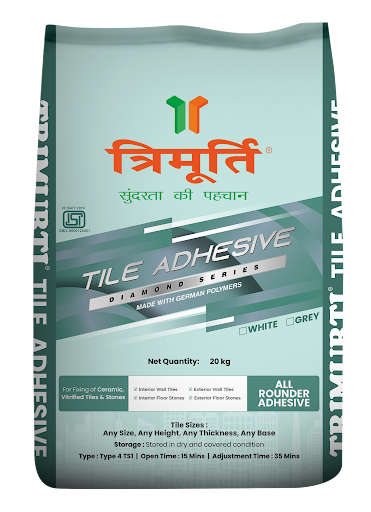
Choosing a suitable tile bonding solution is essential to create surfaces that stay secure under changing conditions. For projects comparing the best tile adhesive in India, the decision should go beyond price and consider the installation area, tile type, surface, and moisture exposure. Wet and dry spaces place different demands on bonding materials, so choosing the right product for actual site conditions can improve durability and reduce avoidable tile failures.
Understanding Tile Bonding Requirements
Tile adhesive connects the tile to the underlying surface. A reliable product should provide adequate adhesion, workable application, and durability suited to the environment. The tile and stone fixing range is designed for interior, exterior, dry, and wet applications, with products intended for different tile and stone requirements.
The first step is to identify where the tiles will be installed. This approach helps when a project includes several areas with different moisture and usage conditions. Treating every installation as identical can lead to unsuitable product selection.
Assessing Wet and Dry Installation Conditions
Moisture is one of the most important factors when choosing a bonding material. Bathrooms, kitchens, balconies, pools, and other moisture-prone locations need solutions that can maintain their performance when exposed to water. Tile adhesives are described as offering resistance to moisture, heat, and wear, while the range covers wet and dry areas.
Dry areas generally experience less direct water exposure, but the adhesive still needs to suit the surface and tile. Bedrooms, living areas, offices, and many interior walls can focus more on appropriate bonding, workability, and compatibility. This difference helps narrow the available options.
Key Factors That Influence Adhesive Selection
The right adhesive depends on several practical factors, including tile material, surface condition, moisture exposure, and the area’s intended use. Considering these elements together helps ensure the selected bonding solution suits the installation and supports a durable finish.
-
Tile Material and Size
Tiles vary in material, weight, porosity, and dimensions. Ceramic, vitrified, porcelain, marble, and granite can place different demands on the bonding layer. Larger or heavier tiles particularly require dependable adhesion and suitable support. Therefore, select a product based on both the tile material and size, not just appearance or price.
-
Surface Condition
The substrate directly affects installation quality. Before applying adhesive, the surface should be stable, appropriately prepared, and free from conditions that can interfere with bonding. Uneven, dusty, damp, or weak substrates can compromise results even with a suitable adhesive. Therefore, consider surface preparation and product compatibility together.
-
Moisture Exposure
Water exposure can range from occasional splashes to continuous moisture. A bathroom, kitchen, balcony, or pool environment needs more attention to water resistance than a dry interior room. The chemical for fixing floor tiles should match the expected moisture conditions and the manufacturer’s stated application range to support a dependable bond.
-
Location and Usage
The purpose of a tiled space also affects selection. Residential floors, commercial areas, industrial settings, exterior walls, and high-traffic surfaces may experience different levels of movement, wear, and environmental stress. Choosing a solution based on actual use helps ensure the bonding material meets the demands placed on the finished surface.
-
Working Time and Application
Installation teams also need enough time to mix, spread, adjust, and position tiles correctly. Product specifications such as open time, pot life, coverage, and adjustable time can help installers plan the work.
-
Compatibility and Product Specification
Always check a bonding product against its stated application and tile compatibility. For instance, a Gold Tile Adhesive product is listed for ceramic, vitrified, and porcelain tiles and includes water resistance as a feature.
Matching the Solution to the Installation Area
A practical approach is to match project conditions with product requirements. A dry interior floor may prioritise strong bonding and easy application, while a bathroom or other moisture-prone space should emphasise water resistance. Exterior areas may require attention to weather exposure as well.
For floor installations, the chemical for fixing floor tiles should also be considered alongside tile dimensions, substrate characteristics, traffic levels, and environmental exposure. Rather than selecting one product for every situation, installers can compare the manufacturer’s specifications with the actual conditions of the project.
Practical Selection Checklist
A practical checklist makes the selection process easier by keeping the focus on the actual installation conditions. Reviewing the tile, surface, moisture exposure, application area, and product specifications can help narrow down the most suitable bonding solution.
- Identify whether the area is wet, dry, interior, or exterior.
- Check the tile material, size, weight, and surface characteristics.
- Assess the substrate and complete suitable surface preparation.
- Review the adhesive’s stated moisture and environmental resistance.
- Compare open time, pot life, coverage, and adjustable time.
- Confirm compatibility with the intended tile and application.
- Follow the manufacturer’s mixing and application instructions.
A clear checklist reduces guesswork and keeps product comparisons focused on performance rather than cost alone.
Application Practices That Support Better Results
Even a suitable adhesive needs correct handling and application. Mixing should follow the manufacturer’s specified method, while the prepared material should be used within its stated working period. A consistent layer can help support proper contact between tile and substrate.
Installers should also avoid treating the adhesive as a substitute for sound surface preparation. Dust, weak areas, unsuitable moisture conditions, or uneven substrates can affect the final bond. Careful application, correct alignment, and adherence to product instructions contribute to a more reliable finished installation.
Conclusion
Selecting a tile bonding solution is ultimately about matching product performance with the conditions of the space. Wet and dry areas should not be approached in exactly the same way; tile type, surface, moisture exposure, usage, and application requirements all deserve attention before installation. A considered choice can support stronger bonding, better finish quality, and longer-lasting tiled surfaces.
For those seeking dependable construction materials for tile fixing and wall care, Trimurti Products offers a broad range of solutions for different applications. Its tile and stone fixing portfolio includes adhesives and complementary tile-care products, while Trimurti Expert Wall Putty can also form part of broader wall-finishing requirements. The focus on varied applications and product specifications makes Trimurti Products a practical option for projects where material selection needs to align with actual site conditions.