
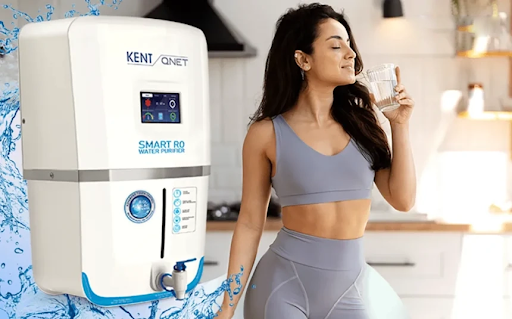
Drinking safe water is crucial for good health, but access to it is no guarantee. Tap water or water from boreholes can contain sediments, harmful microorganisms, heavy metals, or chemical contaminants. Over a prolonged period, the pollutants may deteriorate digestion, immunity, and even shorten the life of household appliances. That is why a proper method of water purification is necessary. A process that combines techniques, or multi-stage filtering, is better than relying on a single filter. Every kind of filter is meant to remove specific contaminants. Therefore, when strategically placed next to one another, they can work in tandem to produce safe water with balanced minerals, clean taste, soft for everyday use.
Step 1: Sediment Filtration
Sediment filtration is the first step in the process and will remove visible particles from your water source, like sand, dirt and rust. Removing these physical impurities first helps protect the purification membranes from damage and clogging, and helps to make sure the system processes smoothly.
Step 2: Activated Carbon Treatment
The purpose of activated carbon filtration is to reduce the harmful effects of chlorine, pesticides, and volatile organic compounds (VOCs). Beyond safety, this step also enhances the water’s taste and odour by improving its quality.
Step 3: Reverse Osmosis
One of the most effective methods, reverse osmosis (RO), removes dissolved salts, heavy metals, and excess minerals. In a high-total-dissolved-solids (TDS) environment, this process provides clean, safe water.
Must Read: Best Vacuum Cleaners for Homes in India
Step 4: Ultraviolet (UV) Disinfection
While the RO process does the job of addressing chemical and dissolved solids, UV addresses the biological contaminants. Strong UV light will inactivate bacteria, viruses and protozoa in seconds. UV is a chemical-free treatment and an effective type of disinfection.
Step 5: Ultrafiltration (UF)
Ultrafiltration membranes take away cysts, microbes and suspended solids. Typically, in conjunction with UV treatment, this point of treatment will ensure that even if the biological contamination has high levels, the water is safe.
Step 6: Mineral Retention / Balancing
Over-purification can mean that the water loses many of its natural minerals. That is why specific systems focus on balancing calcium, magnesium, and other essentials. Balanced mineral levels improve both health benefits and overall taste.
Step 7: Water Softening
In many households, hard water is a bigger issue than microbes. It leads to scale deposits in kettles, washing machines, and pipes. Water Softening reduces hardness by lowering the concentrations of calcium and magnesium. The result is water that is easier on skin, hair, and appliances, while also being safer to drink.
Step 8: Post-Carbon Polishing
Even after multiple steps, water may still carry faint odours or tastes. Post-carbon polishing is the finishing touch. It neutralises any remaining smells and enhances flavour before the water is ready to drink.
Step 9: Safe Storage and Distribution
The purification process is only effective if the water stays protected. Utilising clean, closed containers or hygienically suitable storage tanks protects your investment from the possibility of recontamination. This process safeguards the travel of safe water to every glass in your house.
Other Sustainable Practices
Modern systems also help address the issue of water waste. Options such as recycling reject water into secondary storage facilities can eliminate or reduce overall waste. In areas where supply is limited, their water efficiency is a huge benefit.
Why Each Step Matters
The various types of Water Purification systems each serve a different function, and omitting or missing one of the steps can put your whole family at risk. For example:
- Sediment filters prevent advanced membranes from clogging.
- Activated carbon improves taste while reducing chlorine levels.
- RO is used to address dissolved contaminants that typical filters cannot tackle.
- UV and UF eliminate harmful microbes, leaving families safe from illnesses.
- Water softening eliminates water quality that is unsafe for health while reducing damage to household appliances.
These all came together to create an overall safety net that ensures the finished product is safe and pleasant to consume.
Conclusion
Getting clean and safe drinking water is not possible with just one filter. It involves a series of steps, each designed to address a specific type of impurity. Sediments, chemicals, microorganisms, and hardness are the impurities that treatment processes handle, culminating in nine stages of completely treated water. With water softening, you can ensure your family has access to high-quality water for their health, and you will also prolong the lifespan of your appliances and plumbing. If families understood the essential steps to treatment, they would be better equipped to make informed decisions about their water treatment protocols. Therefore, they would enjoy the reassurance of safe drinking water every day.