
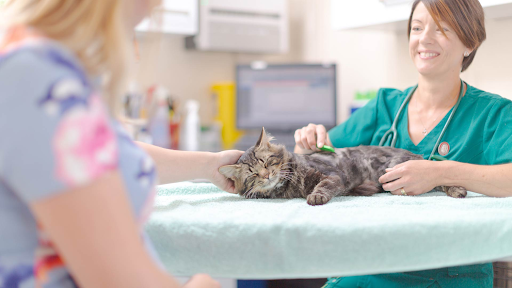
Responsible pet care involves more than providing food, shelter, and affection. It also means making thoughtful healthcare decisions that can protect a cat’s wellbeing throughout life. For many owners, neutering female cats becomes an important consideration as their companion grows. Learning what the procedure involves, why veterinarians recommend it, and how proper aftercare supports recovery can make the decision much easier to approach.
The Purpose Behind Female Cat Sterilization
Female cat sterilization is a routine surgical procedure intended to prevent reproduction. It also affects reproductive hormones and can provide several health and lifestyle benefits. Unlike simply managing unwanted litters, sterilization is a preventive healthcare decision that can influence a cat’s future wellbeing.
Veterinarians generally assess the cat’s age, health, weight, medical history, and lifestyle before recommending surgery. This assessment helps determine whether the cat is ready for the procedure and whether any additional precautions are necessary.
Understanding this broader purpose allows owners to view sterilization as part of responsible healthcare rather than simply a reproductive decision.
How The Procedure Is Planned
Before surgery, a veterinarian performs a physical examination to evaluate the cat’s general condition. Depending on the cat’s age and medical history, diagnostic testing may also be recommended.
The surgical procedure is performed under general anesthesia, meaning the cat remains unconscious and does not experience pain during the operation. The veterinarian makes a carefully controlled incision to access and remove the reproductive organs.
Throughout the procedure, the veterinary team monitors vital signs and anesthesia closely. Once surgery is completed, the cat is moved into a recovery area where she can gradually wake under professional observation.
Health Benefits That Matter Over Time
One of the major reasons owners consider sterilization is the potential for long-term health benefits. Removing the reproductive organs eliminates the possibility of certain reproductive conditions and prevents pregnancy-related complications.
Sterilization can also eliminate the risk of uterine infections such as pyometra, a potentially serious condition affecting unspayed female cats. Depending on when the procedure is performed, it may also reduce the risk of certain reproductive cancers.
However, every cat is different, so owners should discuss individual benefits and risks with a veterinarian before making a decision.
Changes In Hormonal Behavior
Reproductive hormones can influence a female cat’s behavior, particularly when she enters a heat cycle. During these periods, some cats may become more vocal, restless, affectionate, or eager to escape outdoors. Learning about spaying and neutering your pets in Dubai can help owners understand how sterilization may influence these reproductive behaviors and support better long-term care decisions.
After sterilization, hormone-driven reproductive behaviors generally decrease because the reproductive cycle is no longer occurring. This does not mean a cat loses her personality. Playfulness, curiosity, affection, and individual temperament can remain unchanged.
The main difference is that behaviors connected specifically to reproductive hormones may become less prominent.
Preparing Your Cat Before Surgery
Preparation begins with following the veterinary team’s instructions carefully. Owners may receive guidance regarding food and water before anesthesia, medication, transportation, and what to bring to the appointment.
Keeping the cat indoors before surgery is important because it reduces the chance of injury or unexpected exposure to food. A secure carrier also makes transportation safer and less stressful.
A calm environment can make a noticeable difference. Owners should avoid unnecessary changes to the cat’s routine immediately before the appointment and follow all instructions provided by the veterinary team.
Supporting Appetite And Normal Activity
A cat’s appetite may temporarily change after anesthesia. Offering food according to veterinary instructions and ensuring access to clean water can support a comfortable recovery.
As the effects of anesthesia wear off, most cats gradually return to their normal routines. Owners should still avoid encouraging strenuous activity until the veterinarian confirms that normal movement is appropriate.
Keeping the recovery space quiet also prevents accidental pressure on the incision and gives the cat an opportunity to sleep undisturbed.
Monitoring The Surgical Site
The incision requires particular attention during the healing period. Excessive licking or chewing can interfere with healing and may introduce bacteria into the area. For owners considering spaying and neutering your pets in Dubai, understanding proper incision care is an important part of supporting a safe recovery.
If a protective collar or recovery garment is recommended, owners should use it as instructed. Although cats may initially dislike these protective measures, they serve an important purpose by preventing self-trauma.
Owners should also attend any recommended follow-up appointment. A professional examination provides an opportunity to confirm that healing is progressing normally.
Understanding Possible Risks
Like any surgical procedure, sterilization carries some risks. Anesthesia reactions, infection, bleeding, or delayed wound healing can occur, although veterinary teams take precautions to minimize these complications.
A pre-surgical examination helps identify potential risk factors. Sharing complete information about previous illnesses, medications, allergies, or unusual reactions with the veterinarian allows the team to plan care more effectively.
Being aware of possible complications should not create unnecessary fear. Instead, it helps owners recognize when professional advice may be needed during recovery.
Creating A Comfortable Long Term Routine
Once recovery is complete, most sterilized cats can return to their usual routines. They can continue playing, exploring, sleeping, and interacting with their families just as before.
The important difference is that owners can now focus on maintaining the cat’s health without managing reproductive cycles or the risks associated with unwanted pregnancy.
Regular veterinary examinations remain valuable because sterilization does not prevent every possible health condition. Continued preventive care helps identify age-related changes and other concerns early.
Conclusion
Female cat sterilization is a significant healthcare decision that deserves careful consideration and professional guidance. From pre-surgical assessment and anesthesia to recovery and long-term weight management, each stage plays a role in achieving a safe and positive outcome. When owners understand the procedure and follow veterinary recommendations, they can approach neutering female cats with greater confidence.
For families seeking knowledgeable guidance and compassionate veterinary support, Pet Point Veterinary Clinic can help owners make informed decisions while providing attentive care before, during, and after the procedure.