
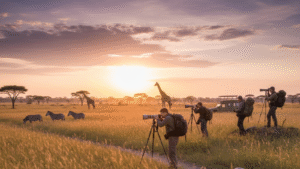
Capturing wild animals in their natural habitats can be one of the most rewarding and challenging experiences for any photographer. Yet, choosing between African and Asian destinations leaves many enthusiasts stuck.
Should you chase lions across the Serengeti or track tigers through India’s dense forests?
Both continents promise extraordinary wildlife encounters, but they offer vastly different photographic opportunities.
We have researched what seasoned photographers and tour experts reveal about wildlife photography tours in both regions, and we bring you a clear, practical comparison to help you plan your perfect adventure.
Keep reading to learn which experience might suit your creative goals best.
What Wildlife Photography Tours Offer?
Wildlife photography tours are not ordinary safaris. They’re structured learning experiences led by professionals who understand both wildlife behavior and advanced photography techniques.
Participants gain access to prime locations, receive real-time feedback, and refine technical skills under diverse lighting and environmental conditions.
Whether you’re a beginner trying to master shutter speed or a professional aiming for magazine-quality images, these tours merge field education with real adventure.
But to make the right choice between African and Asian tours, you need to know what makes each unique.
What Makes African Wildlife Photography Tours Stand Out?
African wildlife photography tours are legendary, and for good reason. The continent’s open savannas and abundant animals make it ideal for photographing movement and storytelling.
- Landscape Variety: From Kenya’s Masai Mara to Tanzania’s Serengeti and Botswana’s Okavango Delta, Africa offers dramatic backdrops—golden plains, dusty horizons, and unforgettable sunsets. Each creates perfect lighting and design opportunities in your frame.
- Animal Behavior: Africa allows photographers to capture large predators like lions or leopards in action. The visibility of animals in the open landscape makes dynamic storytelling easier, especially for fast‑moving subjects.
- Wildlife Density: One key advantage is predictability. In most African regions, animals are plentiful, ensuring consistent chances for remarkable shots daily.
So, if your goal is to create an extensive wildlife portfolio with iconic species—from elephants to cheetahs—Africa’s natural stage might be your best classroom.
Why Asian Wildlife Photography Tours Offer A Different Challenge?
Asian destinations provide a completely different lens on wildlife photography. Think mystique, diversity, and complexity.
- Dense Habitats: India’s tiger reserves, Sri Lanka’s rainforests, and Borneo’s jungles require skillful compositions due to thick vegetation and changing light. These conditions push photographers to refine their technical accuracy and creative eye.
- Unique Species: Asian wildlife photography tours let you capture rare species like Bengal tigers, Asiatic elephants, orangutans, and snow leopards—creatures emblematic of ancient legends and untamed beauty.
- Cultural Context: Asia combines wildlife with deeply connected local traditions. Photographers often engage with communities that protect these animals, offering emotional and cultural depth in their stories.
If you’re eager for patience‑testing conditions and rare wildlife moments that require sharp precision, Asia will sharpen your craftsmanship in unmatched ways.
Which Region Offers Better Opportunities?
The right choice depends on your goals and patience level. Africa is perfect for those who love broad landscapes and consistent action. Asia is ideal for those drawn to rare encounters and technical finesse.
Ask yourself:
Do you want quantity or distinct character?
Do you enjoy open plains or dense forests with limited visibility?
Both options push your skills differently. African safaris strengthen anticipation and framing for fast wildlife movements, while Asian tours train focus, composure, and adaptability in unpredictable jungle conditions. Many seasoned photographers eventually do both to balance diversity in their portfolios.
How To Prepare For Your 2025 Wildlife Photography Trip
To ensure your wildlife photography tours are memorable and productive, preparation matters as much as destination choice.
- Gear Selection: Lightweight long lenses (300mm–600mm), sturdy tripods, and weather‑sealed cameras are essential. Pack wisely to adapt to both humid forests and dry savannas.
- Physical Readiness: These tours demand early mornings, long drives, and patience. Build stamina and plan recovery time between sessions.
- Research Locations: Study seasonal patterns. For example, Africa’s migration season and Asia’s post‑monsoon greenery dramatically influence results.
- Learn Wildlife Ethics: Responsible photography practices—keeping a respectful distance, minimizing noise, and avoiding flash—make your experience ethical and rewarding.
Practical Tips For Choosing The Right Tour
- Check the instructor’s credentials and photography background.
- Assess group size—smaller groups ensure more personalized guidance.
- Ensure the itinerary balances exploration and shooting practice.
- Look for reviews mentioning both quality instruction and logistical organization.
These steps help ensure your photography tours deliver exactly what you expect—creativity, challenge, and breathtaking imagery.
Conclusion:
When choosing between African and Asian wildlife photography tours in 2025, remember there’s no wrong answer—only the experience that fits your vision. Africa gifts you energy, scale, and vibrant action. Asia offers mystery, intimacy, and rare encounters. Whether you’re capturing elephants beneath an African sunset or a tiger emerging through the Indian mist, each frame will carry a story and emotion only the wild can evoke.