
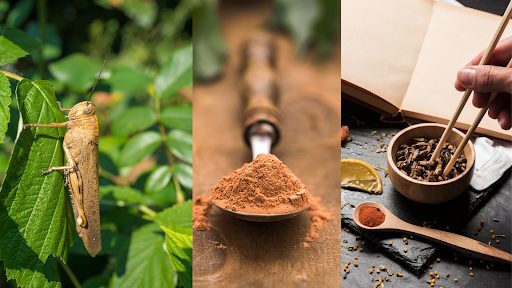
When you think of protein, steak or chicken might come to mind. But what if the next protein revolution is crawling right under our noses?
Across the United States, edible insects like cricket flour protein and mealworm snacks are gaining attention.
And while it might sound unusual, these tiny critters could play a massive role in the future of food.
Why Insects Are Entering Our Plates
In a world facing population growth, climate change, and food insecurity, sustainability is key. Traditional livestock farming consumes vast amounts of water, land, and feed. Insects, on the other hand:
- Require far less water to raise.
- Produce minimal greenhouse gases.
- Need tiny amounts of space.
- Grow and reproduce incredibly fast.
That makes them a powerhouse option for sustainable protein.
Cricket Flour Protein: Small Bugs, Big Impact
Cricket flour (sometimes called cricket powder) is made by roasting and grinding crickets into a fine, nutty-flavored powder. It’s not just a quirky health trend—it’s a nutrient-packed powerhouse.
Nutritional Benefits of Cricket Flour
- High Protein Content: Crickets are about 60–70% protein by weight, rivaling whey and soy.
- Rich in Micronutrients: They’re loaded with iron, calcium, zinc, and vitamin B12.
- Good Source of Healthy Fats: Omega-3s and omega-6s help support brain and heart health.
- Fiber Boost: Chitin, a natural fiber in their exoskeletons, supports gut health.
Where You’ll See Cricket Flour
- Protein bars and shakes:
Many health brands are already switching from whey to cricket protein.
- Baked goods:
Muffins, pancakes, and breads fortified with cricket powder are popping up.
- Smoothies:
The nutty flavor blends easily with fruits and greens.
And the best part? Most people eating cricket flour don’t even notice the difference—just the benefits.
Edible Mealworms: The Crunch Factor
Mealworms, the larval stage of the darkling beetle, are another rising star in the edible insect scene. Unlike cricket powder, mealworms are often enjoyed in their whole form—yes, with a crunch.
Why Mealworms Are a Game-Changer
- Protein Power: Around 50% protein, making them comparable to chicken breast.
- Packed with Minerals: Magnesium, potassium, and copper boost their nutritional profile.
- Fat Content: They contain healthy unsaturated fats, which add satiety and energy.
How Mealworm Snacks Are Being Eaten
- Roasted and flavored:
Think barbecue, cheese, or chili-lime mealworms as bar snacks.
- Energy bites:
Mixed with chocolate, nuts, and seeds for a quick on-the-go fuel source.
- Pet and livestock feed:
Beyond humans, mealworms are also feeding chickens, fish, and even pets.
The appeal here is both novelty and nutrition—crunchy, savory, and surprisingly satisfying. If you’d like to try these crunchies, you can easily find edible insects for sale both online and in stores.
Why People Are Embracing Edible Insects
The buzz around cricket flour and mealworm snacks isn’t just about novelty. Increasingly, people are embracing these foods because they combine health, sustainability, and innovation.
- Health-Conscious Choices:
With their protein-rich and nutrient-packed profiles, edible insects appeal to fitness enthusiasts, athletes, and anyone seeking clean nutrition.
- Eco-Friendly Eating:
Consumers who care about reducing their carbon footprint view crickets and mealworms as environmentally friendly alternatives to beef or pork.
- Adventurous Food Culture:
Food lovers and travelers enjoy trying global flavors, and edible insects connect them to traditions from Asia, Africa, and Latin America, where insects have been staples for centuries.
- Innovation in Food Products:
From protein bars to gourmet snacks, brands are making insect-based foods fun, tasty, and easy to add to everyday diets.
The Future of Food Might Be Bug-Based
Food startups and restaurants are experimenting more every year. Celebrity chefs are adding cricket flour to pasta and brownies. Snack companies are selling roasted mealworms in grocery stores. Even major food companies are closely watching the insect protein movement.
If trends continue, we might soon see:
- Cricket protein in everyday sports supplements.
- Mealworm chips in school cafeterias.
- Insects as a standard part of sustainability-focused diets.
Final Takeaway
Cricket flour, protein, and edible mealworms aren’t just gimmicks. They’re nutrient-dense, eco-friendly, and surprisingly versatile. While the idea may take some getting used to, these little powerhouses could play a big role in shaping the future of food.