
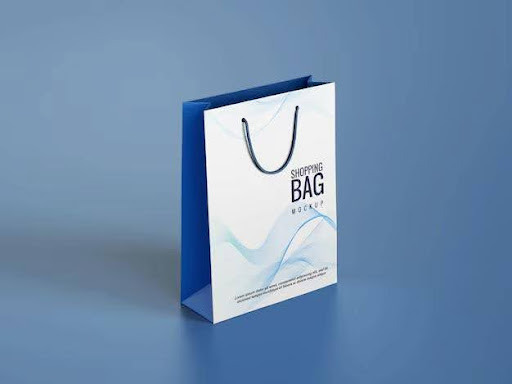
What makes a carrier bag memorable enough for customers to keep using it long after they leave the shop? The answer lies in thoughtful design. From the choice of materials and handle strength to colour psychology and print quality, every detail influences how customers experience and remember a brand. Well-designed printed carrier bags do more than hold products—they promote your business wherever they go. This guide explores the essential design considerations that turn simple packaging into a powerful branding and marketing tool.
Printed packaging does far more than carry products. It carries brand identity, customer experience, and visual impact. Well-designed printed carrier bags transform simple packaging into a powerful marketing tool that travels with customers long after they leave the shop.
In today’s competitive retail landscape, businesses must think carefully about how their packaging looks, feels, and performs. A thoughtfully designed carrier bag can strengthen brand recognition, improve practicality, and create a lasting impression on customers.
1. The Strategic Role of Printed Carrier Bags in Branding
Carrier bags are more than packaging materials. They act as mobile advertisements that move through streets, shopping centres, and public spaces. Because of this visibility, design decisions must align with brand messaging and customer perception.
When businesses invest in professionally designed printed carrier bags, they create an opportunity to extend their brand beyond the store environment. A visually appealing bag naturally attracts attention and encourages customers to reuse it, increasing brand exposure.
Effective branding through carrier bags involves several key elements:
- Clear brand logo placement
- Consistent brand colours
- Memorable typography
- High-quality printing techniques
- Recognisable design style
These elements work together to ensure that customers instantly associate the bag with a specific brand. As a result, every customer walking out with a well-designed bag becomes part of a subtle marketing campaign.
Another important factor is emotional connection. Packaging that feels stylish or premium often enhances how customers perceive the product inside. Therefore, thoughtful bag design contributes directly to brand value and customer satisfaction.
2. Choosing the Right Materials for Durability and Sustainability
Material selection plays a crucial role in the effectiveness of printed carrier bags. A bag must not only look good but also perform well under everyday use.
Retailers typically choose from several materials, each offering distinct benefits.
Common materials used in printed carrier bags
- Kraft paper bags
- Laminated paper bags
- Recycled paper bags
- Cotton tote bags
- Non-woven fabric bags
Each option serves different purposes depending on the product type and brand positioning.
For example, kraft paper bags offer a natural, eco-friendly appearance that works well for organic brands, bakeries, and boutique retailers. Laminated bags, on the other hand, provide a premium finish and greater durability, making them ideal for fashion stores and luxury retailers.
Sustainability is also becoming a major design consideration. Customers increasingly prefer environmentally responsible packaging. Businesses can meet these expectations by choosing recyclable materials, biodegradable inks, and responsibly sourced paper.
Key sustainability features to consider include:
- FSC-certified paper materials
- Water-based printing inks
- Reusable bag designs
- Minimal plastic coatings
- Recyclable components
By prioritising eco-friendly materials, brands strengthen their reputation while also reducing environmental impact.
3. Visual Design Elements That Capture Attention
Strong visual design is the heart of effective printed carrier bags. A bag must capture attention instantly while remaining easy to recognise and understand.
Designers often focus on several core visual components.
Essential visual design elements
- Colour schemes
- Typography choices
- Logo placement
- Graphic illustrations
- Layout balance
Colour plays a particularly important role. Bright colours often attract attention quickly, while neutral tones can communicate sophistication and elegance. Businesses should choose colours that align with their overall brand identity.
Typography is equally important. Fonts must be easy to read from a distance while reflecting the personality of the brand. For example:
- Minimal fonts communicate modern style
- Script fonts convey elegance
- Bold fonts highlight energy and confidence
The layout of the bag also influences how easily customers notice branding elements. Designers typically place logos in central or upper areas where they remain visible even when the bag is being carried.
Additional visual enhancements may include:
- Metallic foil stamping
- Embossed logos
- Gloss or matte lamination
- Spot UV printing
These finishing techniques elevate the design and give the bag a distinctive look.
4. Functionality and Practical Design Considerations
While visual appeal is important, functionality must never be overlooked. Printed carrier bags must support practical everyday use while maintaining structural strength.
A well-designed bag balances aesthetic style with durability and convenience.
Key functional features to consider
- Strong handles for comfortable carrying
- Reinforced bottoms for heavy items
- Appropriate bag size for products
- Foldable design for storage
- Weather-resistant coatings
Handle design deserves particular attention. Rope handles, ribbon handles, die-cut handles, and flat handles each offer different levels of comfort and strength.
For example:
- Rope handles provide durability and premium feel
- Ribbon handles create a luxury appearance
- Flat handles support heavier grocery items
- Die-cut handles offer a sleek minimalist look
Size and shape are also essential. Oversized bags may appear wasteful, while bags that are too small can inconvenience customers. Designers should match bag dimensions carefully with product packaging.
Furthermore, practical features such as reinforced gussets and thick paper weights ensure that bags remain sturdy even when carrying heavier goods.
When functionality meets design, the result is packaging that customers enjoy using repeatedly.
5. Printing Techniques That Enhance Quality and Brand Impact
Printing technology has advanced significantly, allowing businesses to produce visually striking printed carrier bags with precise detail and vibrant colours.
Several printing methods are commonly used in packaging production.
Popular printing techniques for carrier bags
- Flexographic printing
- Offset printing
- Digital printing
- Screen printing
- Foil stamping
Flexographic printing is widely used for large production runs because it offers efficiency and consistent quality. Offset printing delivers high-resolution results, making it ideal for detailed artwork.
Digital printing, meanwhile, offers flexibility for smaller batches and customised designs. This method works particularly well for seasonal promotions or limited-edition packaging.
Additional finishing techniques can further enhance visual impact.
Examples include:
- Matte lamination for smooth finish
- Gloss lamination for shine and durability
- Embossing for raised textures
- Debossing for subtle branding impressions
- UV coating for protective gloss layers
These enhancements not only improve appearance but also increase durability and perceived product value.
6. Designing for Customer Experience and Reusability
One of the most powerful benefits of well-designed printed carrier bags is their ability to extend brand exposure through reuse.
Customers often keep attractive bags for future shopping trips, storage, or everyday use. This means that every reused bag continues to promote the brand.
Designing for reusability involves considering both durability and style.
Important factors include:
- Strong construction materials
- Neutral or fashionable design
- Comfortable handles
- High-quality printing that resists fading
- Timeless colour schemes
For instance, minimalist designs often encourage reuse because they appear stylish rather than overly promotional.
Businesses can also increase reuse value by creating bags that resemble fashionable accessories rather than disposable packaging.
Some brands even create seasonal designs or collectible carrier bags that customers enjoy keeping.
When packaging becomes desirable rather than disposable, brands benefit from extended visibility and stronger customer loyalty.
7. SEO-Driven Design Trends in Printed Carrier Bags
Retail packaging design continues to evolve alongside changing consumer behaviour and digital marketing trends. Businesses now view printed carrier bags not only as packaging but also as part of their broader brand communication strategy.
Several design trends are currently shaping the industry.
Emerging trends in carrier bag design
- Minimalist branding
- Eco-friendly packaging materials
- Sustainable printing practices
- Bold typography layouts
- Monochrome colour schemes
- Custom illustrated packaging
Minimalism has become particularly popular because it allows logos and messages to stand out clearly without visual clutter.
Sustainability also plays a major role in modern packaging design. Consumers increasingly support brands that prioritise environmentally responsible materials and production processes.
Another emerging trend involves storytelling through packaging. Designers sometimes incorporate small messages, taglines, or illustrations that communicate brand personality.
For example, a carrier bag might include:
- Short brand slogans
- Social media handles
- QR codes linking to websites
- Artistic illustrations related to the brand
These elements encourage engagement and help bridge physical packaging with digital marketing channels.
Conclusion: Designing Carrier Bags That Deliver Impact
Effective packaging design combines creativity, practicality, and strategic thinking. Businesses that carefully plan their printed carrier bags gain a valuable marketing tool that promotes brand identity beyond the store environment.
When companies focus on materials, visual design, printing quality, and user experience, they create carrier bags that customers genuinely appreciate. In turn, those bags travel through public spaces, extend brand visibility, and strengthen customer relationships.
Ultimately, the most successful designs balance aesthetics with functionality. They look attractive, feel durable, and communicate a clear brand message. As retail competition continues to grow, investing in thoughtful carrier bag design can make a meaningful difference in how customers perceive and remember a brand.