
Antibodies are powerful tools in biomedical research, enabling scientists to detect, quantify, and study proteins involved in a wide range of biological processes. Among the different antibody types, rabbit polyclonal antibodies hold a significant place due to their sensitivity, versatility, and strong binding capabilities. These qualities make them essential for advancing both basic and applied research, including cancer, immunology, and neurobiology.
What Are Rabbit Polyclonal Antibodies?
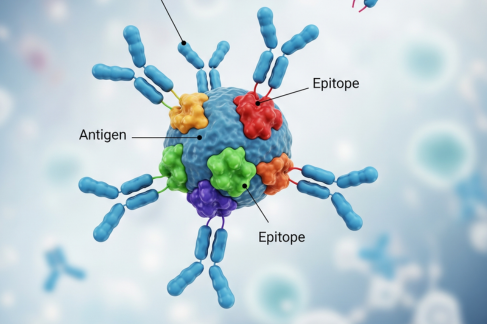
Polyclonal antibodies are a heterogeneous mixture of immunoglobulins that recognize multiple epitopes on the same antigen. When rabbits are immunized with an antigen, their immune system naturally generates a diverse set of antibodies targeting different regions of the protein. The result is a polyclonal serum with broad recognition ability.
Rabbits are particularly favored as host animals because of their robust immune responses, the ability to generate antibodies against small or weakly immunogenic molecules, and the high affinity of the antibodies produced.
For instance, researchers use Rabbit mTOR Polyclonal Antibody to study the mechanistic target of rapamycin (mTOR). It is a central protein kinase that regulates cell growth, metabolism, and survival. Dysregulation of the mTOR pathway is implicated in cancer, neurodegenerative diseases, and metabolic disorders.
A rabbit mTOR polyclonal antibody is often used to detect this protein in Western blotting and IHC experiments. Because it binds to multiple epitopes, researchers can reliably track mTOR activation in tumor tissues, which is critical for evaluating targeted cancer therapies.
Strong and Diverse Antigen Recognition
One of the main advantages of rabbit polyclonal antibodies is their ability to bind to multiple epitopes on the target antigen. This multi-epitope binding increases the likelihood of detecting proteins in complex samples, even if the protein is present in low abundance or is partially denatured.
This broad recognition is especially useful in techniques like Western blotting, immunohistochemistry (IHC), and enzyme-linked immunosorbent assay (ELISA), where sensitivity is crucial for identifying proteins in biological samples.
High Affinity and Specificity
Rabbit polyclonal antibodies are known for their high affinity toward antigens. Rabbits often produce antibodies with stronger binding interactions than other host species such as mice or goats. This higher affinity results in lower background noise and clearer signals in experimental assays, improving data reliability.
The specificity provided by rabbit polyclonal antibodies allows researchers to detect target proteins with greater accuracy, which is essential in studies where distinguishing between closely related proteins is necessary.
Versatility Across Research Applications
Another important advantage is the versatility of rabbit polyclonal antibodies across multiple research applications. They are widely used in:
- Western Blotting: For detecting proteins across a broad size range.
- Immunohistochemistry (IHC): For visualizing protein expression in tissue samples.
- Flow Cytometry: For analyzing protein markers on the surface of cells.
- ELISA: For quantitative measurement of protein levels.
This adaptability makes them indispensable in both diagnostic and therapeutic research.
Cost-Effectiveness and Ease of Production
Compared to monoclonal antibodies, rabbit polyclonal antibodies are generally quicker and less expensive to produce. Polyclonal antibody generation requires fewer steps and does not involve hybridoma technology, making it an accessible choice for many laboratories.
Additionally, since they recognize multiple epitopes, polyclonal antibodies often require less optimization during assay development, further saving time and resources for researchers.
Superior Performance in Low-Abundance Protein Detection
Many proteins of interest in biomedical studies are present at very low concentrations in tissues or cells. Rabbit polyclonal antibodies provide an advantage here due to their ability to detect targets with enhanced sensitivity. This makes them especially useful in early-stage biomarker discovery, where proteins might only be detectable in trace amounts.
Stability and Robustness in Experiments
Rabbit polyclonal antibodies often exhibit strong performance even under suboptimal experimental conditions. Their ability to bind to multiple epitopes makes them less likely to lose detection ability if one epitope is masked or altered due to protein modifications or sample preparation methods. This robustness provides more consistent results across different experiments.
Contribution to Translational and Clinical Research
Rabbit polyclonal antibodies also play a role in translational research by bridging the gap between laboratory studies and clinical applications. Their reliability in detecting disease markers supports the development of diagnostic assays, while their use in understanding disease mechanisms contributes to therapeutic advancements.
Conclusion
Rabbit polyclonal antibodies are highly valued in biomedical research due to their strong antigen recognition, high affinity, versatility, and cost-effectiveness. Their ability to detect low-abundance proteins and remain robust across diverse applications makes them an indispensable tool in modern science.
The use of antibodies such as the rabbit mTOR polyclonal antibody highlights how these reagents enhance the study of signaling pathways and disease mechanisms. As research continues to expand into complex biological systems, rabbit polyclonal antibodies will remain central to scientific discovery and medical innovation.
However, make sure you purchase polyclonal antibodies from a reliable source. Otherwise, you may have to compromise on your results.