
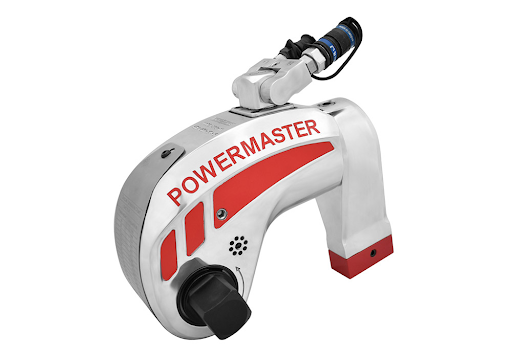
Heavy industrial equipment, large pipe systems, wind energy projects, and structural assemblies all depend on precise bolt tightening to maintain safety and performance. When fastening applications require extreme force, standard hand tools often struggle to deliver consistent results. This is where a hydraulic torque wrench becomes a critical solution. Designed to generate controlled torque output with high accuracy, these tools help teams handle demanding bolting tasks while reducing manual effort and improving reliability.
Meeting the Demands of High-Torque Applications
Many industrial connections operate under constant pressure, vibration, heat, or heavy loads. Bolts in these environments must remain secure throughout the equipment’s service life. Applying too little torque can lead to joint failure, while excessive torque may damage fasteners or components.
A hydraulic torque wrench allows operators to achieve the required torque value with greater control. The hydraulic system delivers force smoothly and consistently, helping maintain the integrity of critical bolted joints. This level of accuracy makes it suitable for sectors such as oil and gas, power generation, mining, manufacturing, and infrastructure projects.
Improving Safety and Work Efficiency
High-torque fastening often involves large bolts that require significant force. Manual methods can increase operator fatigue and create safety risks, especially in confined or elevated work areas.
Hydraulic systems reduce the physical effort needed to tighten or loosen heavy fasteners. Operators can complete tasks more efficiently while maintaining better control over the process. This improves workplace safety and helps reduce downtime during maintenance, shutdowns, and equipment installation projects.
Delivering Consistent and Repeatable Results
One of the key benefits of hydraulic-powered fastening tools is repeatability. Industrial projects often require hundreds of bolted connections to meet the same torque specification. Inconsistent tightening can affect equipment performance and long-term reliability.
Modern torque wrenches equipped with hydraulic power help ensure each fastener receives the required torque level. This consistency supports quality control standards and helps organizations maintain operational reliability across critical assets.
Supporting a Wide Range of Industrial Use Cases
From assembling large flanges and pressure vessels to maintaining turbines and heavy machinery, hydraulic bolting tools provide flexibility for many applications. Their compact design allows access to challenging spaces where larger equipment may not fit.
As industries continue to work with larger structures and more demanding equipment, the need for dependable high-torque solutions continues to grow. Organizations looking for reliable bolting performance often turn to experienced manufacturers such as Powermaster Ltd, known for providing industrial bolting solutions designed to support demanding operational requirements.
Conclusion
High-torque operations require more than raw force. They demand precision, consistency, and safety. Hydraulic-powered fastening systems help achieve all three by delivering controlled torque, reducing manual strain, and improving the quality of bolted connections. Whether used during construction, installation, or maintenance, a hydraulic torque wrench remains an essential tool for achieving reliable results in critical industrial applications.